Understanding Your Inner Weather: The Seasons of Your Soul (2026)
Everyone carries an inner landscape — a shifting mix of thoughts, sensations, and moods that can feel calm one moment and unsettled the next. You may not always notice the transitions as they happen, but you feel their effect: a day that suddenly feels heavy, a morning that begins with clarity for no obvious reason, or a quiet moment when something inside you unexpectedly softens. This is your inner weather — the subtle climate within you that changes, moves and reshapes the way you experience the world.
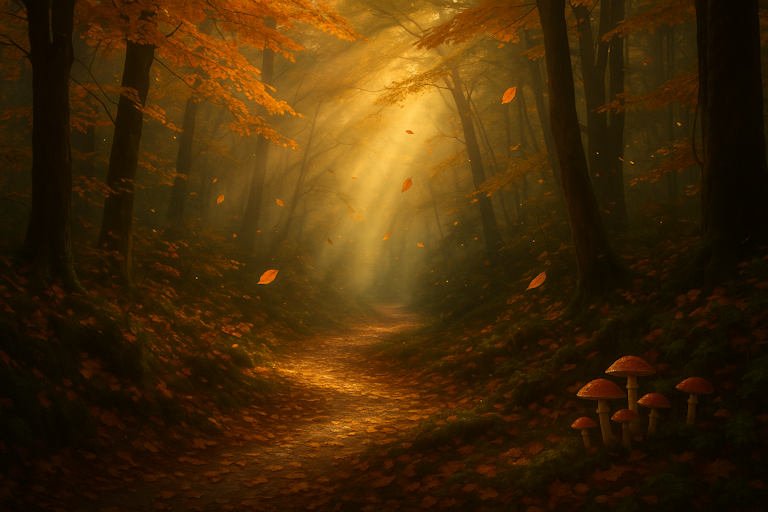
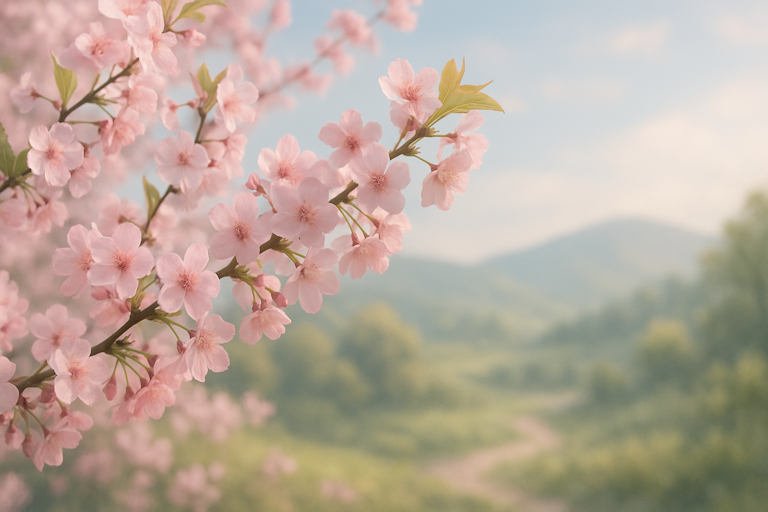
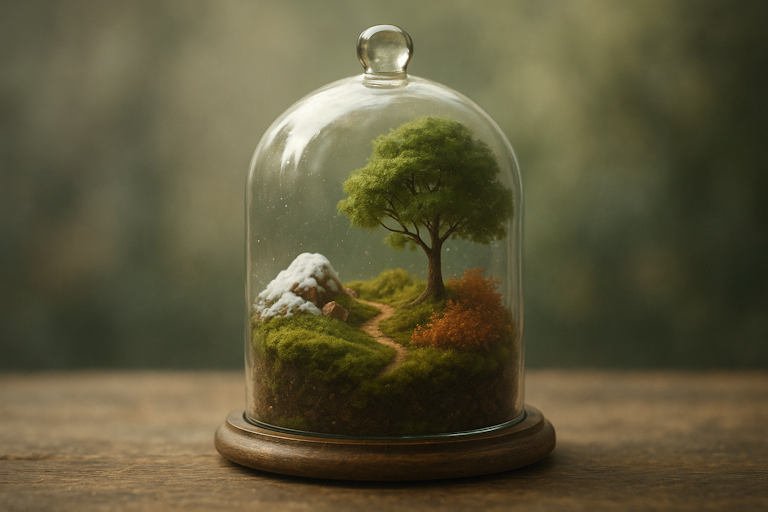
Just like the seasons outside, your inner world moves in rhythms. Some periods feel like spring — full of ideas, invitations, openings. Others resemble autumn — a time of releasing, reorganizing, letting go of what no longer fits. And then there are the winters: slower days, quieter emotions, moments that ask for rest rather than momentum. None of these inner seasons are wrong or out of place. They’re simply expressions of the natural movement of your emotional and mental life.
The challenge is not to control these shifts, but to understand them. When you begin to see your inner weather as part of a broader rhythm — rather than a problem to fix or a mood to escape — something softens. You stop bracing against yourself. You begin to recognize when your energy is asking for gentleness, when your thoughts are clearing, or when a deeper season of change is unfolding. And in that recognition, your inner world becomes less of a storm to navigate and more of a landscape you know how to walk through.
Why your inner weather shifts more than you realize
Inner weather is always moving, even on days when you feel steady on the surface. Sometimes the shift is subtle — a quiet unease without a clear source, or a sudden clarity that appears out of nowhere. Other times, it’s more noticeable: a heaviness you didn’t expect, a surge of energy that feels out of place, or a change in mood that doesn’t match anything happening around you. These shifts aren’t random. They’re responses to the ongoing rhythm of your inner life — the memories you carry, the thoughts you repeat, the environments you move through, and the seasons of change happening beneath your awareness.
Many people assume that moods should be stable, or that a “good day” should stay good from morning to evening. But your inner landscape works more like the natural world: constantly adjusting, responding, and recalibrating. A single conversation, a memory that resurfaces, a small moment of connection, or even the weather outside can influence the climate within. None of this means something is wrong. It simply means you’re sensitive to the world — alive to it. And that sensitivity creates patterns that ebb and flow throughout your days.
What makes inner weather confusing is the pace. Outer seasons move slowly; inner ones can change within hours. You may wake in a bright, expansive emotional space, only to feel yourself contract by midday. Or you start the day with low energy and discover that, by evening, something has opened inside you. These movements don’t always need explanation. They’re often reflections of deeper layers — shifts in energy, attention, or emotional processing that happen quietly in the background. Trying to control them usually creates more tension, while noticing them often brings relief.
The key is learning to recognize the signs of changing inner weather without judging them. A restless mind might signal that something in you is preparing for movement. A heavy mood might simply reflect an internal “winter,” where rest or stillness is needed. A burst of clarity might be your inner “spring,” showing you what wants to grow. When you see these shifts as part of a natural rhythm rather than a disruption, you stop bracing against them. You allow yourself to move with your inner seasons instead of resisting them — and in that softness, you begin to understand yourself more deeply.
Let the path reveal itself
Every journey begins with one small step.
If you feel the pull, follow it.
The path opens the moment you do.
The symbolic rhythm of your inner seasons
Even when life on the outside looks stable, your inner world moves in cycles. Some phases expand, others contract. Some feel light and energizing, while others ask for stillness or reflection. These shifts aren’t random; they follow a rhythm that often mirrors the natural world, even if the changes happen on a much smaller scale. Understanding this cycle doesn’t mean controlling it — it simply helps you recognize what each phase is trying to tell you.
Your inner seasons can show up in different ways: the urge to start fresh, the need to let something go, the desire for rest, or the feeling that you’re moving toward something new. These movements are often subtle. They don’t announce themselves with clarity or certainty. Instead, they appear as small internal signals — changes in energy, attention, emotion, or desire. When you learn to read these signals, your inner world becomes easier to navigate. You stop fighting your own rhythms and begin to trust them.
Below are three symbolic “inner seasons” you may move through, often without realizing it:
- Inner Spring — moments of quiet renewal.: his is when ideas begin to form not through effort, but through a soft sense of possibility. You feel a slight lift in your energy or a small spark of curiosity. Nothing is defined yet, but something inside you begins to open.
- Inner Summer — phases of clarity and presence: During these periods, you feel more steady and connected. Decisions feel lighter, thoughts feel clearer, and your sense of direction sharpens. It’s not about perfection — it’s about noticing when things flow with less resistance.
- Inner Autumn — times of release and reorganization: These moments often arrive when something in your life no longer fits: a habit, a belief, a pace. You may feel the urge to simplify or step back. This isn’t withdrawal — it’s a quiet recalibration, making room for what you’re becoming.
These inner seasons don’t follow a linear pattern. You might experience two in a single day, or linger in one for weeks. What matters isn’t labeling them, but listening to what they ask of you. When you approach them with curiosity rather than pressure, you begin to understand that your inner world isn’t chaotic — it’s cyclical. And within that cycle, you can find more gentleness, patience, and direction than you expect.
Your inner seasons don’t ask you to choose a feeling —
they ask you to notice how your clarity shifts with them.
Which part of your inner weather is ready to be seen more clearly today?
What changes when you learn to move with your inner seasons
One of the most helpful shifts happens when you stop expecting yourself to feel the same every day. When you recognize that your inner world moves through seasons — moments of expansion, moments of contraction, moments of clarity and moments of heaviness — you begin to relate to yourself differently. Instead of wondering why your mood has changed or blaming yourself for feeling “off,” you start to see these shifts as part of a natural internal rhythm. This doesn’t remove the discomfort of difficult days, but it softens the pressure to interpret them as personal failures.
Understanding your inner seasons also makes your emotional landscape easier to navigate. Emotional highs and lows feel less random because you can sense what is emerging beneath them. A dip in energy may signal your system slowing down after a period of intensity. A burst of motivation may be your inner “spring,” nudging you toward something new. When you approach these changes with curiosity instead of resistance, you give yourself the space to respond rather than react. You begin to work with your inner weather instead of pushing against it.
This shift in perspective has another quiet benefit: it helps you make clearer decisions. When you know which inner season you’re in, you stop forcing yourself into a pace that conflicts with what your system is trying to do. You don’t make long-term decisions on a winter-like day when everything feels heavy and slow. You don’t overload your schedule on a day that calls for gentleness. And you don’t dismiss moments of clarity when they arise — you use them. This doesn’t mean controlling your emotional cycles. It means acknowledging that your clarity, energy and direction all move with a rhythm of their own.
Over time, you develop a more patient relationship with yourself. Instead of asking, “Why am I like this today?”, you begin to ask, “What is this season asking of me?” And that simple shift turns emotional fluctuation into information. It turns uncertainty into guidance. And it turns your inner world from something you endure into something you understand — one gentle season at a time.
The quiet guidance of your inner climate
Understanding your inner weather doesn’t mean trying to control it. It simply means noticing the shifts that were already shaping your days. When you see your moods, energy and clarity as part of a natural rhythm, you stop treating every change as a problem to fix. You begin to trust that heaviness, stillness, movement and clarity all have their place — and that none of them define you permanently.
This perspective creates more space in your life. You make decisions with more awareness because you recognize when your system is asking for rest, when it’s opening toward something new, and when a season of clarity can support momentum. You stop forcing yourself to move against your own rhythm, and in that release, you often find more steadiness than you expected.
Your inner seasons will continue to shift — sometimes gently, sometimes suddenly — but they become less overwhelming once you understand them. They turn into signals rather than obstacles, into guidance rather than confusion. And as you move with them instead of resisting them, you begin to feel more connected to yourself, more patient with your experience and more aligned with the quiet truth that your inner world is always evolving, always speaking, and always leading you toward a clearer understanding of who you are.
Let the path reveal itself
Every journey begins with one small step.
If you feel the pull, follow it.
The path opens the moment you do.