Play and Rest: Why You Need Both Even When Life Feels Busy (2025)
Life has a way of filling itself to the edges. Tasks, expectations, responsibilities — they expand until there’s barely room to breathe, let alone to pause. In the middle of that fullness, something quiet begins to stir: a longing not just for rest, but for lightness. A moment of play, a spark of movement, a breath that doesn’t carry the weight of everything still undone. It’s easy to forget that humans are not built to run in a single mode. We are creatures of contrast, shaped by both stillness and motion.
Yet play is often the first thing to disappear when life gets busy. It feels optional, childish, or indulgent — something you “earn” after the important things are done. And rest, even more strangely, becomes difficult too. You lie down, but your mind keeps running. You pause, but the guilt presses in. There is a subtle belief beneath it all: that worth comes from doing, and slowing down means falling behind. In such a world, it becomes harder to hear what your body has been saying all along: that energy comes not from pushing, but from rhythm.
Play and rest work like two halves of the same breath. One wakes you up; the other brings you back. When either one is missing, life becomes flat, tight, or strangely hollow. But when they return — when you allow yourself moments of movement and moments of stillness — something inside realigns. Not dramatically, but honestly. As if your inner pace begins to match the truth of your own life again. And that is where the real balance starts: in the quiet reminder that you were never meant to choose one over the other.
Play and rest as the first thresholds of balance
Play and rest sound simple enough — two natural movements, as essential as breathing in and out. But the moment life becomes busy, they are often the first things to slip through the cracks. That is where the earliest thresholds appear: not in the body, but in the quiet places of the mind where pace, expectation, and guilt intertwine. Before you even notice it, play starts to feel unimportant, and rest begins to feel undeserved.
Many people ask why slowing down feels so hard. It isn’t because rest is complicated, but because a busy life teaches your nervous system to stay alert. Your thoughts keep running even when your body stops. Sitting still can feel uncomfortable, even unsafe, because the very moment you pause, the noise you’ve been outrunning catches up. The mind fills the silence with unfinished tasks, imagined responsibilities, or the subtle fear of “falling behind.” Rest becomes a mirror, and mirrors aren’t always easy to face.
Play meets its own resistance. Adults often feel that play must be justified — that it only belongs in childhood, or that joy must be earned after productivity. But this resistance doesn’t come from a lack of need; it comes from a culture that values output over aliveness. When play disappears, life becomes efficient but hollow. The body keeps going, but the spark that animates you slowly dims. Without moments of spontaneity, curiosity, and lightness, your days flatten into repetition.
And then there is the quiet guilt that surfaces whenever you attempt to rest. “I should be doing something.” “There’s too much to catch up on.” “I don’t deserve a break yet.” These thoughts don’t arise because you are failing; they arise because you’ve been running on a rhythm that was never meant to be constant. True rest is not the absence of activity — it is the presence of permission. And permission is often the hardest thing to give yourself.
The first thresholds of balance appear long before burnout or exhaustion. They appear in the smallest moments: when play feels frivolous, when rest feels unproductive, when fullness feels normal but aliveness feels distant. Noticing these thresholds is the beginning of remembering something your body has never forgotten — that energy, clarity, and presence grow from rhythm, not from speed.
Where the journey leads
A path unfolds before you
Beyond each step, the path opens further.
Continue your way and let it guide you home.
The deeper rhythm: what play and rest awaken in you
There is a moment, often unnoticed, when the body begins to whisper what the mind has been ignoring. Play and rest are not luxuries; they are two ancient rhythms woven into how humans stay whole. When life becomes too full, these rhythms don’t disappear — they retreat. And when they retreat, a strange tightness settles in: a sense of moving through your days with less color, less breath, less you. It’s only when play returns, or rest finally settles into your bones, that you realize what had been missing.
Play awakens something bright and instinctive. It interrupts the seriousness that quietly builds inside a busy life, reminding you that your nervous system is not meant to run exclusively on responsibility. Even a moment of lightness — a laugh, a spark of curiosity, a small burst of spontaneity — can loosen the grip of tension. This is why so many people find that stress softens not when they work harder, but when they allow even the smallest flicker of playfulness back into their days.
Rest, in contrast, awakens the deeper layers beneath your pace. It lets the mind unclench, the breath settle, the inner noise stretch out and dissolve. But rest also reveals what constant movement hides: emotions waiting for space, truths you skimmed over, the parts of yourself that grow louder when the world quiets down. This is why rest sometimes feels confronting — not because it is wrong, but because it is honest.
Together, play and rest form a rhythm that life tries to teach you again and again:
- Play brings you forward: Not through achievement, but through aliveness — a reminder that your spirit needs movement, curiosity, and spontaneity to stay awake inside your own life.
- Rest brings you inward: It reveals the landscapes beneath your busyness, giving your mind and body a chance to exhale the weight they’ve been holding.
- Balance brings you back to yourself: When play and rest weave together, your days stop feeling like a race and begin to feel like a life — paced by truth, not pressure.
This is the deeper rhythm you were never meant to outgrow. It does not demand perfection or control; it simply asks you to return. Not to a plan, but to a pulse — the quiet, steady one that has been waiting beneath the noise.
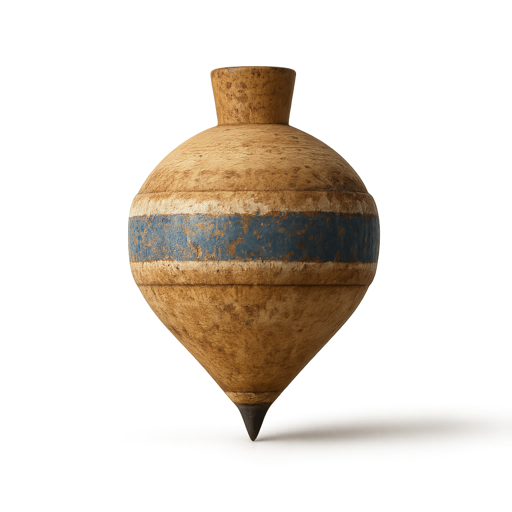
When play disappears, the world dulls.
When rest disappears, so do you.
What might return if you welcomed both again?
When the noise slows: how your own rhythm begins to return
There comes a moment when the rush finally softens — not because life becomes easier, but because something inside you grows tired of holding everything together. In that softening, you begin to notice things you hadn’t felt in years: a small pull toward curiosity, a quiet hunger for stillness, a desire to breathe without counting the minutes. People often ask why adults need play or why rest feels so essential, but the truth is simpler than any explanation. These two movements awaken parts of you that busyness slowly silences.
When life stays full for too long, your rhythm collapses into a single note. You move, you push, you manage, you endure — all from the same narrow channel. Play widens that channel again. It reminds the nervous system that joy is not frivolous, that lightness is not a distraction, and that stress dissolves more easily in moments where your mind forgets to brace itself. Even small sparks of play can loosen the tightness you’ve mistaken for normalcy.
Rest, on the other hand, brings everything back into focus. It returns you to the parts of yourself that get buried under urgency. Yet many people wonder why it’s so hard to relax, even when they want to. Rest asks you to release control, to stop performing, to stop proving — and that can feel unfamiliar. It’s not that rest is difficult; it’s that the version of you shaped by constant pressure doesn’t quite know what to do with stillness.
Together, play and rest create a rhythm that feels almost like coming home. Play wakes the bright, outward-facing parts of you — the ones that long to explore, to imagine, to feel alive again. Rest gathers you inward — helping you hear the thoughts that get lost in the noise, the emotions that tighten behind your ribs, the truths that only rise when everything else quiets down. When these two movements meet, something subtle but profound happens: your life begins to feel like your own again.
People often ask how to balance work, play, and rest, as if the answer were a technique. But balance isn’t something you engineer — it’s something that returns naturally when you stop living in one extreme. When you let yourself move and pause, expand and soften, you slip back into the rhythm your body has been holding for you all along. This is how your own pace finds its way home: slowly, honestly, and always through both halves of your breath.
Where play and rest meet again
In the end, finding space for play and rest is not a luxury but a quiet return to your own humanity. Life will always have demands, pressures, and seasons where everything feels full — but somewhere beneath all that movement lies a rhythm that has never stopped calling for you. When you give yourself permission to play, you remember your light. When you give yourself permission to rest, you remember your depth. Together, they remind you that you are more than what you carry.
Play brings color back into days that have grown muted. Rest brings breath back into spaces that have grown tight. And in the meeting point between the two, something steadier unfolds — not perfection, not control, but a sense of being aligned with yourself again. It is here, in this gentle meeting of movement and pause, that your life stops feeling like a race and begins to feel like a place you can actually inhabit.
Maybe that is the quiet truth you have been circling all along: that balance doesn’t come from doing more or doing less, but from remembering that you were never built to live in only one direction. When play and rest return, so do you.
Where the journey leads
A path unfolds before you
Beyond each step, the path opens further.
Continue your way and let it guide you home.